

Welsh Cawl is a traditional hearty stew passed down by generations and was commonly cooked in a large pot or cauldron where the idea of slow cooking was commonly used. Cawl is commonly cooked all over Wales and is a staple for family meals and wintery nights.
What is Welsh Cawl?
Consisting of seasonal vegetables such as leeks and onions and either Beef or lamb, Welsh Cawl is beautifully seasoned and cooked on low heat for a few hours. Best served with a chunk of homemade bread or cheesy Tawts Popty this chunky beef or lamb stew is easy to cook and can be enjoyed by all the family.
Below is my favourite recipe for a traditional Welsh Cawl, keep reading below for some cooking hacks and side dish recommendations too.
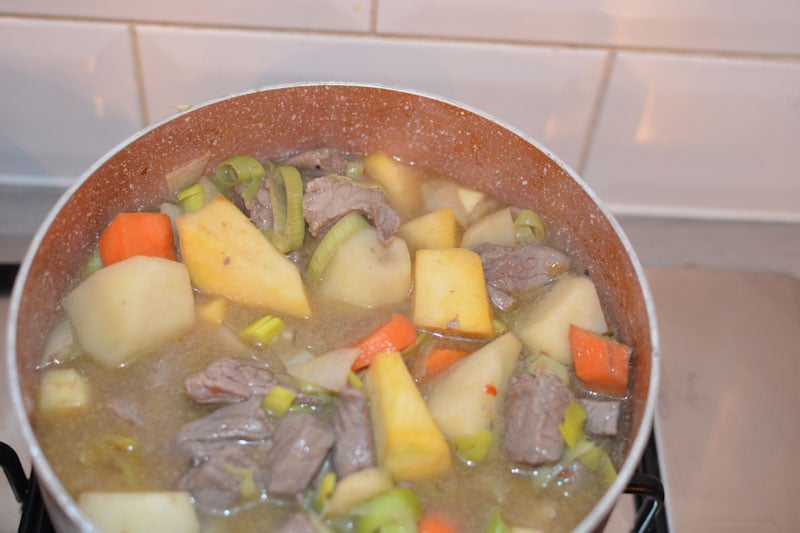
Welsh Beef Cawl Recipe
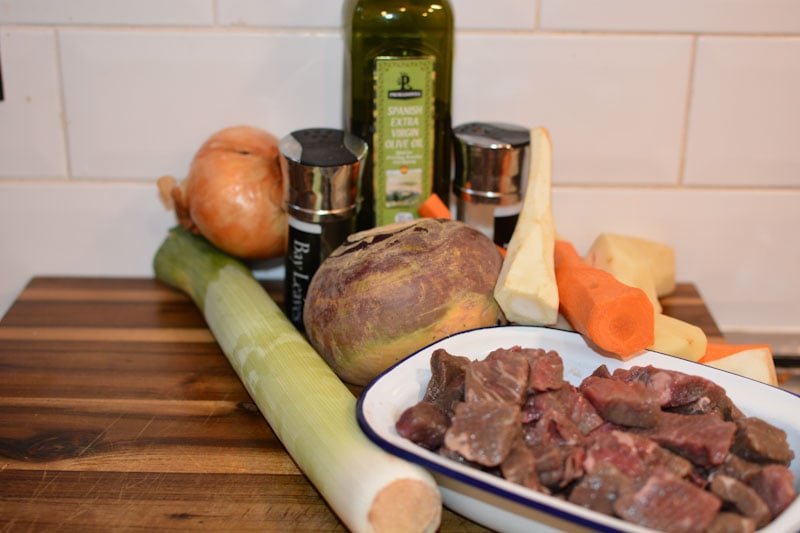
Ingredients
- 4 Carrots
- 4 Leeks
- 4-5 Potatoes
- 2 Large Onions
- 2 Parsnips
- 1 Small Suede
- 500g Beef or diced Beef
- 3 Rations of Bacon (Options)
- Two Litres of Vegetable Stock
- 2 Bay Leaves
- Pinch of Thyme
- Salt u0026amp; pepper to season
Instructions
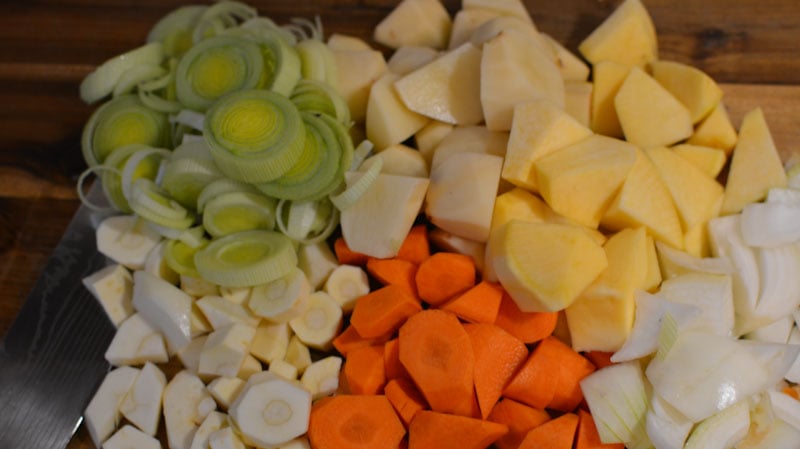
Collect together your onions, carrots, leeks, potatoes, parsnip u0026 suede and wash them thoroughly. Peel u0026 chop your vegetables into small to medium pieces. Don’t worry about neatness as this is a rustic style hearty stew.
Cut your beef into 50p-size chunks on a clean chopping board u0026 set aside. We like to slightly season our beef at this point with a tiny amount of salt and pepper. Variation – You can also use Lamb instead of Beef, at this step you would repeat the same actions but use either diced lamb steaks or some people like to add a lamb leg and let it boil off the bone.
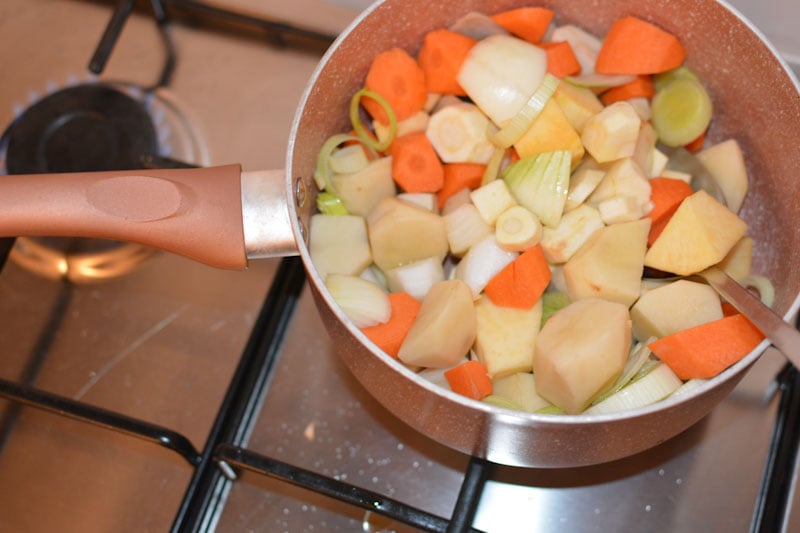
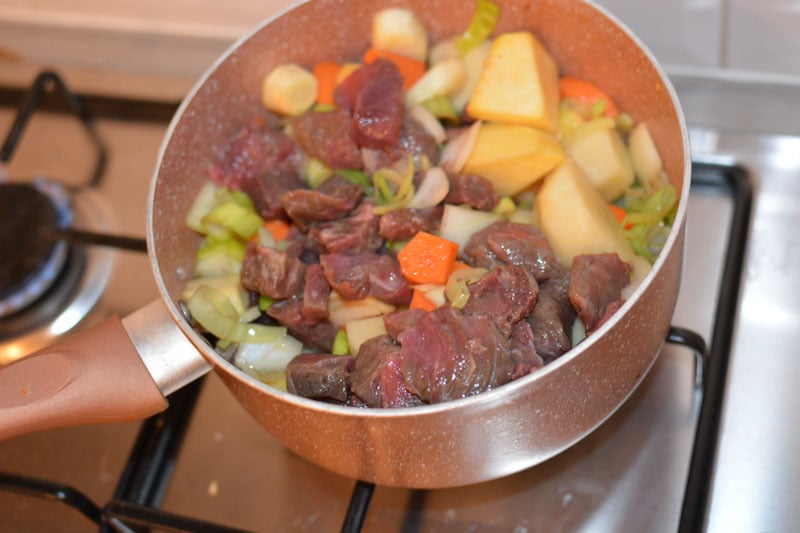
Brown off all your prepared chopped vegetables in a hot pan with a bit of oil for around 3 minutes while lightly stirring throughout. Do the same thing with your on-the-bone lamb if you use using that. You can also add strips of smoked bacon at this point for extra flavour. Diced Beef can be added In the next step
To your vegetables add your chunks of Beef and allow to brown for another 5 minutes on medium heat, make sure you stir often not letting the meat stick to the pan.
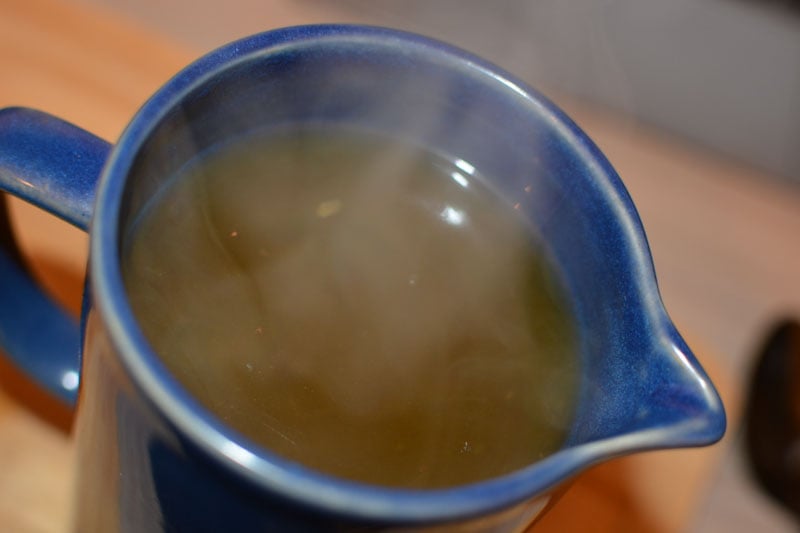
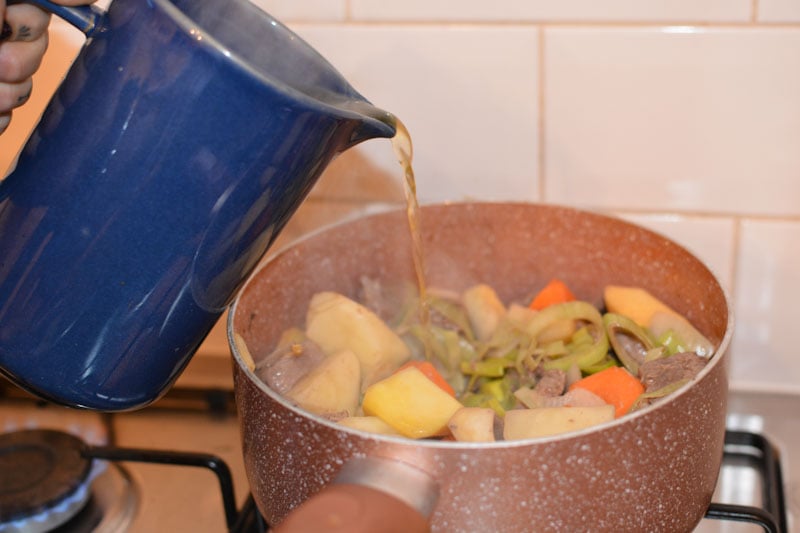
In a plastic jug add your vegetable stock and hot water and mix thoroughly so all the stock had dispersed. Pour this into your pan of meat and vegetables and stir so that the stock, meat, and vegetables and evenly distributed.
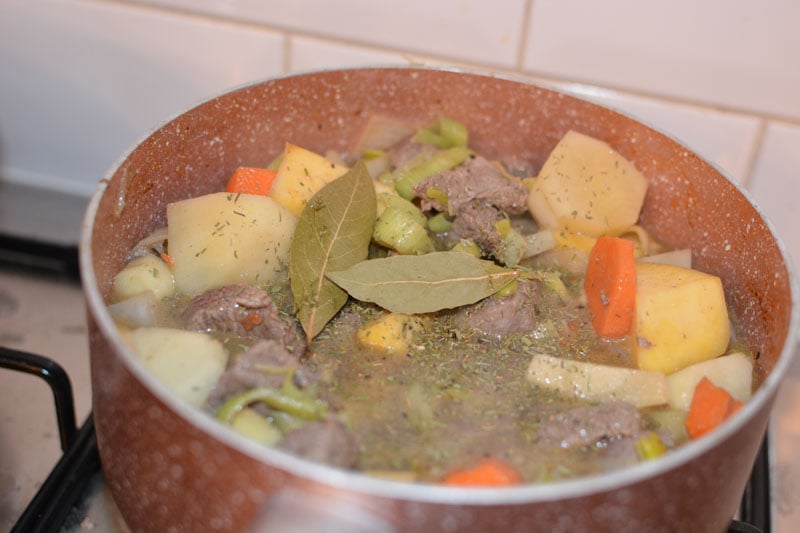
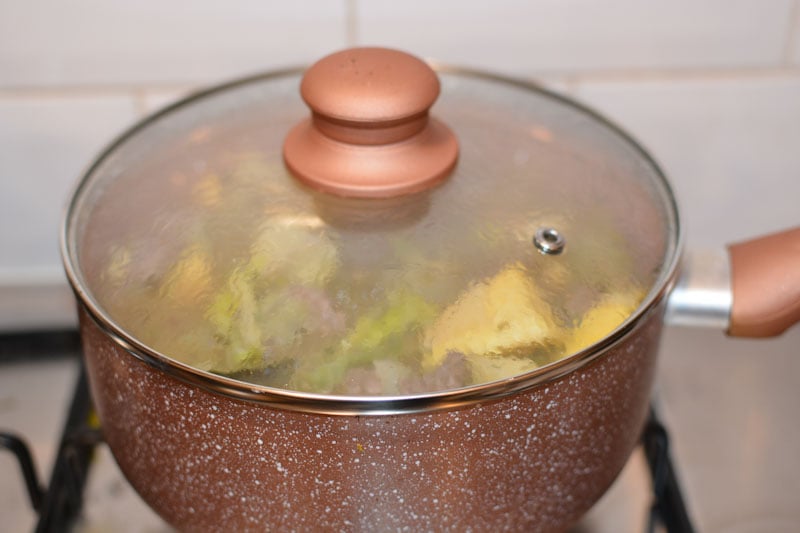
Lastly add your herbs and bay leaves to your stew, season well and stir through. Cover the pan with the lid and leave to simmer on low heat for 2-3 hours. Keep checking throughout, stirring occasionally.
Give your Cawl a final stir and it is ready to serve. Enjoy as soon as it is cooked or alternatively leave it to cool completely and leave it overnight for a deeper flavour and thicker consistency. Best Served with a slice of crusty bread and Welsh Cheese.
Chef's tips
Best left overnight and served the next day
Having Trouble?
If your having trouble with the recipe, check out these top tips for making the perfect cawl every time.
How Do You Thicken Up a Cawl?
There are two options you can use to thicken your stew, the first one being: Boil down one or two potatoes in a pan, when boiled blitz them up with some hot water so it is like a paste and add this to your stew. Let simmer and watch your stock naturally thicken with the additional starch.
Alternatively, add a few teaspoons of sifted flour to your pan and stir through. This should slowly thicken up, add more if needed. If you are Gluten-free you can substitute this for Gluten-free flour.
What To Do if the Cawl is Too Thick?
Add ‘God's stock’ or water as you may call it. Simply add as much water as you need until you get your desired consistency. Add a small amount at a time, stir and leave to simmer for a few minutes before repeating the process. Keep tasting your stew throughout and if it is losing flavour through this process add a little more vegetable stock to the water you are using to thicken it.
What To Serve With Welsh Beef Cawl?
Welsh Cawl is famously served with bread and a slice of cheese. To really take advantage of this tradition, try baking your own homemade rosemary and sea salt bread, perfect with some Carmarthenshire cheese and a hot bowl of Cawl. Here are some other sides you could serve with cawl:
- Tawts Popty – A delicious combination of potatoes, leeks, onions, and cheese, baked to crisp perfection. This is a great side to your Cawl, rich and cheesy in flavour and matches perfectly with hot Beef stew. have a look at our version and give it a go yourself.
ㅤ - Rosemary Dumplings – One thing that always gives any stew that extra mouth-watering factor is Dumplings! Easy to make with just three ingredients, they take just minutes to make. Bake your rosemary dumplings on top of your stew to let it soak in all the flavours and be left with an extra full tummy (see recipe here).
ㅤ - Leek & Cheese Mash – One of our own family favourites, buttery, mashed potatoes with chopped leek a hint of garlic and chunks of Welsh Cheese. This is a great side dish to accompany your Cawl that even the kids will like. Make your mashed potato and add your cooked and sliced leek in short thin strips, then crumble your cheese into the mash and gently fold in.
If you want more classic dishes from Wales, see my guide to famous Welsh food and drink which has plenty of inspiration for both mains, desserts, and snacks.
Related Questions
How Long Does Cawl Last in the Fridge?
Properly covered in an airtight container Cawl will last up to 3 days in the fridge after cooking.
Can You Freeze Cawl?
Yes, you can. Allow your Cawl to cool down completely and put it in a sealed airtight container in the freezer for up to three months.
How Many Calories Are in Cawl?
There are approximately 380 Calories in a bowl of Welsh Cawl.
What’s the Difference Between Scouse and Cawl?
Scouse and Cawl are the same things however Scouse is a more well-known name for Cawl further North of Wales on the Border hence the name.
Is Welsh Cawl Gluten Free?
Most Cawl is Gluten Free however some chefs add flour to their stew to thicken so always double-check.
Is Welsh Cawl Dairy Free?
Yes, Cawl is completely dairy free.
Published: 3 November 2022